Both the UK and Sweden have recently taken a hard look at the veterinary market. Same industry, similar concerns – rising prices, limited transparency, growing insurance involvement.
But what’s interesting isn’t what they agree on. It’s how they approach the problem.
The UK’s Competition and Markets Authority (CMA) zooms out. Their starting point is structural: is the market itself working as it should? They look at ownership, like large corporate groups, how medicines are priced, and whether regulation has simply fallen behind reality.
Sweden’s Konkurrensverket takes a more grounded approach. Less about structure, more about experience. What does this actually look like for a pet owner in a moment of need? When do they see prices, how understandable are they, and can they realistically compare options?
Same market but two very different perspectives.
What transparency really means
Both reports talk a lot about transparency. But they’re not really talking about the same thing.
The CMA highlights the lack of visible pricing – for example, how rarely prices are published online for the pet owner.
Konkurrensverket goes a step further. It focuses on when and how pricing becomes visible. Because in reality, most decisions don’t happen on a website – they happen in a consultation room, often under stress, where treatment paths evolve and costs follow.
So the real question becomes: when does transparency actually matter?
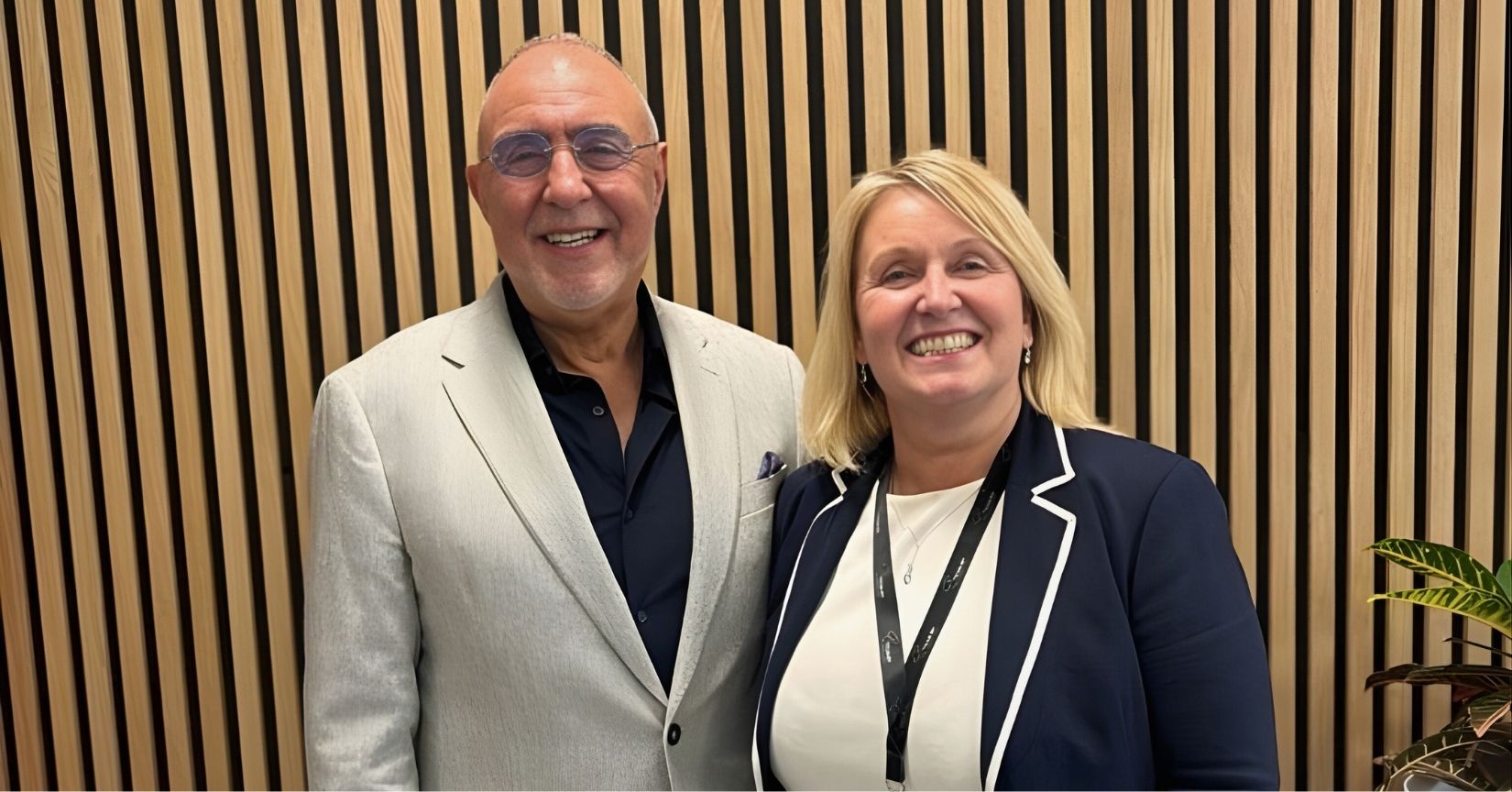
As our CCO, August von Sydow puts it: “Transparency isn’t just about having more data available somewhere, it’s about making the decision itself clearer. If the price only becomes understandable after the clinical path is set, it’s already too late to shape behaviour.”
Structure vs. usability
The CMA is effectively asking whether the market structure is driving suboptimal outcomes. That opens the door to heavy interventions, like market investigations, structural remedies, potentially even breaking things apart.
Sweden is taking a more gradual route. The focus is on making the market work better as is. Clearer communication, more consistent treatment recommendations, and in the long run, better comparability – maybe even standardised packages.
Which raises a key tension, can you improve outcomes without changing the base structure? Or is usability just the first step?
The role of insurance
One thing Sweden is very clear on is the role of insurance. When a large share of care is financed through insurance, pricing dynamics change. Predictability decreases, and incentives can become confusing – especially in a system where prices are hard to anticipate in the first place.
“As the market evolves, insurers have an opportunity to play a more active role in connecting information across the journey. By bringing structure to data and workflows, they can help create clearer, more predictable experiences,” says Garry Nelson, UK MD, Wisentic Pets.
That puts insurers in a more central role than before. Not just as payers, but as part of how the market functions.
Where the markets are heading
Put the two reports together, and a clear direction emerges. This isn’t just about price levels. It’s about how understandable, predictable, and comparable veterinary care is, at the point where decisions are made.
For vets, that means expectations are shifting. Clinical quality remains the foundation, but clarity around cost and treatment paths is becoming part of trust.
For insurers, it means moving closer to the decision moment, because that’s where outcomes are shaped.
And maybe that’s the underlying question both regulators are circling. If the journey isn’t clear for pet owners, insurers have an opportunity to help shape it.
Link to: CMA (UK) report
Link to: KKV (SE) report

.svg)
.svg)


.svg)

%20-%202026-04-01T101651.595.jpg)